


9 . What Your Parents Taught You About Reliable Walker
페이지 정보

본문
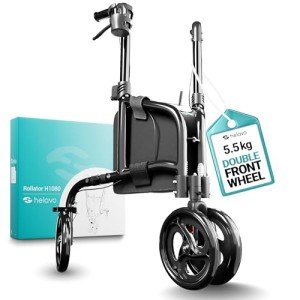
The Reliable Walker: Choosing the Right Mobility Aid for Your Needs
In an ever-evolving world where mobility obstacles can occur for various factors, a reliable walker (http://catholicquestions.ca/) can significantly boost an individual's quality of life. People looking for independence in their movement find that a walker, often described as a walking aid, plays an important function in their everyday activities, whether they are recuperating from surgery, dealing with persistent pain, or experiencing age-related mobility concerns.
In this post, we will discuss the value of a reliable walker, the different types offered, how to pick the best one for your requirements, and some frequently asked questions.
Comprehending Walkers
Walkers are mobility gadgets that aid individuals with walking problems. They supply stability and support, helping to prevent falls and enhancing confidence when getting around.
Kinds of Walkers
There are several kinds of walkers available, and comprehending the distinctions can assist you make an educated option. Below is a table summing up the main types of walkers.
| Kind of Walker | Description | Advantages | Disadvantages |
|---|---|---|---|
| Requirement Walker | A fundamental walker without wheels, needing users to lift it to move. | Supplies maximum stability; easy design. | Can be cumbersome; less maneuverable. |
| Two-Wheeled Walker | Equipped with 2 wheels at the front for much easier motion. | Easier to move; more lightweight. | Less stable than a basic walker. |
| Four-Wheeled Walker | A wheeled walker with four wheels, often with a seat and hand brakes. | Extremely maneuverable; appropriate for outdoor use; stability with seating. | Requires some upper body strength to operate the brakes. |
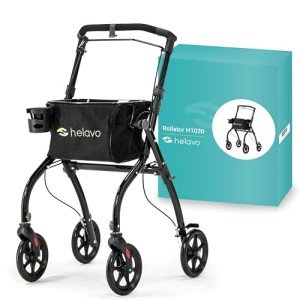
| Rollator | A four-wheeled walker with a seat and storage area. | Perfect for longer distances; comfortable seating alternative. | Less stability than standard walkers; can be more expensive. |
| Hemi Walker | Designed for those who can utilize just one hand or lower limb. | Beneficial for one-handed support; lightweight. | Might not supply as much support as conventional options. |
Secret Factors to Consider When Choosing a Walker
Selecting the best walker is important for safety and independence. Here are some key factors to consider:
1. User's Physical Condition
- Evaluate the user's balance, strength, and variety of motion. Some users might need more support and stability, while others may choose something lighter and more mobile.
2. Meant Use
- Think about where the walker will primarily be used-- indoors, outdoors, or both. Walkers created for outdoor usage normally feature larger wheels.
3. Weight Capacity
- Guarantee that the walker can support the user's weight. The majority of walkers include weight capacity specs, normally ranging from 250 to 500 pounds.
4. Adjustability
- Search for a walker that can be adjusted in height to guarantee appropriate posture and convenience while walking.
5. Extra Features
- Many walkers come with features such as brakes, seats, baskets, and even integrated lights. Assess which features are required for the user's requirements.
6. Aesthetic appeals
- While functionality is critical, lots of modern walkers are created with aesthetic appeals in mind. Choose one that the user feels good about using.
The Benefits of a Reliable Walker
Using a reliable walker has numerous benefits, consisting of:
- Increased Independence: Users can walk around on their own without relying greatly on others for support.
- Improved Confidence: A stable walker offers users the security they need to move easily, lowering the fear of falling.
- Improved Stability: Walkers considerably enhance balance, particularly for those with mobility disabilities.
- Boosted Quality of Life: With improved mobility, users can engage more actively in social, leisure, and everyday activities.
Frequently Asked Questions (FAQ)
1. How do I understand if I require a walker?
If you discover walking to be tough, experience frequent falls, have recently had surgical treatment, or have persistent conditions affecting your mobility, it may be time to think about a Indoor Walker.
2. Can I utilize a walker on outdoor surface areas?
Yes, but consider getting a four-wheeled walker or a rollator designed specifically for Outdoor Walker terrains, as they normally have bigger wheels for much better maneuverability.
3. How can I change my walker for the best fit?
Many walkers have height-Adjustable Rollator Walker legs. Stand in your shoes, and with your arms unwinded at your sides, the top of the walker ought to be at wrist level.
4. How do I keep my walker?
Frequently check the walker for any loose screws or parts, guarantee the wheels are moving efficiently, and tidy it periodically to maintain its condition.
5. How can I build my confidence while utilizing a walker?
Start utilizing the walker in familiar and safe environments. Gradually increase the intricacy of your environments as you become more comfortable.
In conclusion, a reliable walker is not simply a mobility aid; it's a means to greater self-reliance, safety, and enhanced lifestyle. Understanding the kinds of walkers available and examining individual requirements can assist people make notified choices. Whether it's a basic walker or a modern rollator, the ideal devices promotes self-reliance and self-confidence in mobility.
If you or a loved one deals with mobility challenges, think about purchasing a walker that fulfills individual requirements, improves mobility, and eventually, enhances everyday living. With the right choice, users can reclaim control of their motion, fostering a more active and satisfying life.
- 이전글비아그라 약국, 천연 비아그라 뭘먹죠?(서울 비아그라) - [ 성인약국 ] 25.10.06
- 다음글Şemdinli İddianamesi/Patlama Olayından Sonra Konu ile İlgili Bazı Tanık Beyanları (Mehmet Ali Altındağ) 25.10.06
댓글목록
등록된 댓글이 없습니다.