


What's Holding Back The Tots And Cots Industry?
페이지 정보

본문
Tots and Cots: A Comprehensive Guide for Parents
When it concerns guaranteeing a safe and comfortable sleeping environment for children and young children, the choices parents make-- ranging from cribs to cots-- can substantially impact their wellness. Today's post dives deep into the complexities of selecting the very best sleeping plans for tots, emphasizing safety, design, functionality, and how these choices progress as a child grows.
Comprehending Tots and Cots
Tots usually describe young kids, particularly young children aged between 1 to 3 years, while cots are the sleeping arrangements particularly developed for infants and young children. The suitable sleeping devices for this age group includes various types of cots, Good cribs, and toddler beds.
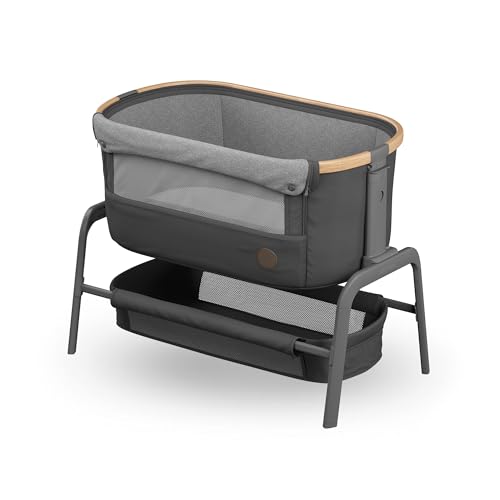
Types of Cots
Various styles exist to meet the diverse requirements of both moms and dads and kids. Below is a list detailing the most common kinds of cots offered:
Standard Crib
- A conventional crib is created for infants and normally includes sides that can be adapted to various heights.
Convertible Crib
- This type of crib can convert into a toddler bed, daybed, or full-sized bed as the kid grows, making it a long-lasting financial investment.
Portable Crib
- Also called travel cots, these are lightweight and easily foldable, ideal for taking a trip or smaller living areas.
Co-Sleeper
- A co-sleeper crib connects to the side of the parents' bed, enabling simple access while ensuring the baby has a separate and safe sleeping space.
Toddler Bed
- A toddler bed is a little bed that looks like a standard bed however is developed particularly for toddlers, normally including security rails.
Mini Crib
- Mini cribs are smaller sized than basic cribs, making them an excellent option for tight spaces, but they are ideal for infants just.
Security Considerations
Ensuring safety is critical when selecting a cot for a kid. Here are vital security standards moms and dads must consider:
- Check for CPSC Certification: Ensure that the cot abides by the Consumer Product Safety Commission (CPSC) standards.
- Prevent Drop-Sides: Cots with drop-sides have been linked to safety dangers, and the most current security policies prohibit them.
- Use a Firm Mattress: A firm mattress reduces the threat of suffocation and must fit snugly within the cot.
- Keep Bedding Simple: Use a fitted sheet and prevent pillows, comforters, and packed animals that can present suffocation threats.
- Follow Weight and Age Guidelines: Ensure the child has actually not exceeded the cot's weight limit and is still within the suggested age.
Transitioning from a Cot to a Toddler Bed
The transition from a cot to a toddler bed can be an emotional milestone for both parents and children. Here are steps to relieve the shift:
Timing
Choosing when to shift can be subjective, but it's usually suggested to make the switch in between 18 months and 3 years, based upon aspects like:
- Physical Ability: If the kid is climbing out of the cot.
- Potty Training: Consider transitioning if the kid is toilet training and needs much easier access.
- Habits: Exhibiting signs of maturity, such as following directions or revealing a desire for self-reliance.
Tips for Making the Transition Smooth
Involve Your Child: Let the kid choose their new bed linen or bed decoration to impart excitement about the change.
Keep Routine Consistent: Maintain the child's bedtime routine to provide convenience throughout this period of modification.
Explain the Change: Discuss the shift to a young child bed positively, making it seem like a fantastic adventure.
Precaution: Place the bed against the wall or use bed rails to avoid falling during sleep.
Choosing the Right Bed
When picking a toddler bed, parents require to think about elements like:
- Height: Low-profile beds are ideal for toddlers who might fall out throughout sleep.
- Durability: Ensure the bed can hold up against active play as well as sleep.
- Design and style: Choose a design that complements the kid's room and is interesting the child.
Selecting the ideal cot for your youngster can be a daunting procedure, but understanding the alternatives readily available, key security factors to consider, and the best timing for transitioning to a toddler bed can make this journey simpler for moms and dads. Investing effort and time into these decisions will make sure that your child has a safe, comfy, and supporting sleep environment.
FAQs
1. What is the difference between a cot and a crib?
- A cot is typically a smaller sized bed created for younger young children, while a crib is a bigger bed that is normally ideal for infants approximately 3 years old.
2. When should I move my kid from a crib to a young child bed?
- The shift time is usually in between 18 months and 3 years; this modification is based on the child's physical abilities and behavioral indications.
3. How can I guarantee my child is safe while sleeping?
- Always stick to security requirements, utilize a firm bed mattress with a basic bedding arrangement, and keep track of the cot's weight limitation.
4. What should I do if my kid tries to climb up out of the cot?
- If your kid is climbing out, it might be time to consider transitioning to a young child bed to avoid falls.
5. Can I use the exact same bed mattress when transitioning?
- Generally, it is best to replace the crib mattress with one that specifies to the toddler bed. Guarantee it fits comfortably and follows security standards.
By thinking about these aspects, moms and dads can model healthy sleep habits and provide their children with a secure environment that promotes relaxing sleep. Purchasing quality sleeping arrangements will contribute to the kid's total advancement and happiness.
- 이전글Derila Pude Danmark Anmeldelser- Derila Pillow Pris, Fup, Købes 25.07.27
- 다음글The 10 Most Scariest Things About Dolce Gusto Automatic Coffee Machine 25.07.27
댓글목록
등록된 댓글이 없습니다.